Spring Pasta Primavera | Fresh Vegetable Pasta with Light Sauce

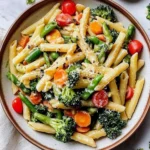
Spring is a time of renewal, and there’s no better way to celebrate the season than with a vibrant bowl of Spring Pasta Primavera | Fresh Vegetable Pasta with Light Sauce. Bursting with colorful vegetables and enveloped in a light, creamy sauce, this dish is not only visually appealing but also incredibly satisfying. Each bite brings together the freshness of seasonal produce, making it the perfect meal for a sunny afternoon or a cozy dinner at home.
Table of Contents
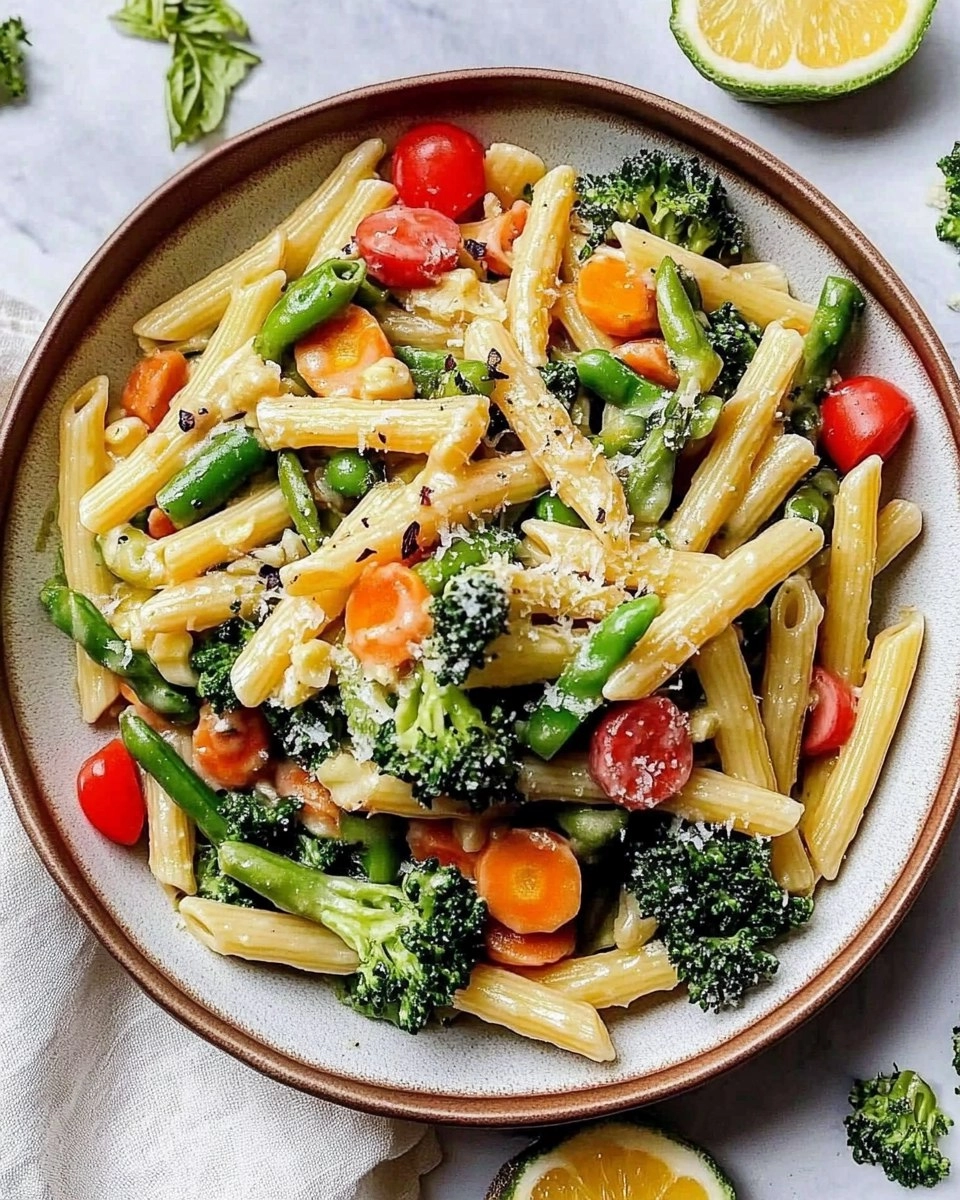
I was first introduced to Pasta Primavera by a friend who would whip it up effortlessly during spring gatherings. The vibrant colors and enticing aroma made it an instant highlight, and I could hardly wait to share the dish with my own family. Since then, it has become a staple in my kitchen, especially when I’m looking to incorporate more vegetables into our meals. This recipe is quick, easy, and a surefire way to impress everyone at the table. Let’s jump into the delightful world of Pasta Primavera!
Why You’ll Love This Recipe
- Simple & Quick: In just about 55 minutes, you can whip up this dish for a weeknight dinner or a special occasion.
- Irresistible Flavor: The combination of asparagus, zucchini, and fresh herbs creates a medley that’s both rich and refreshing.
- Eye-Catching Appeal: The vivid colors of the vegetables make this dish a showstopper!
- Flexible Serving: It’s perfect as a light main course, a side dish, or a picnic staple.
- Diet-Friendly Options: Easily adaptable for gluten-free pasta or vegan alternatives.
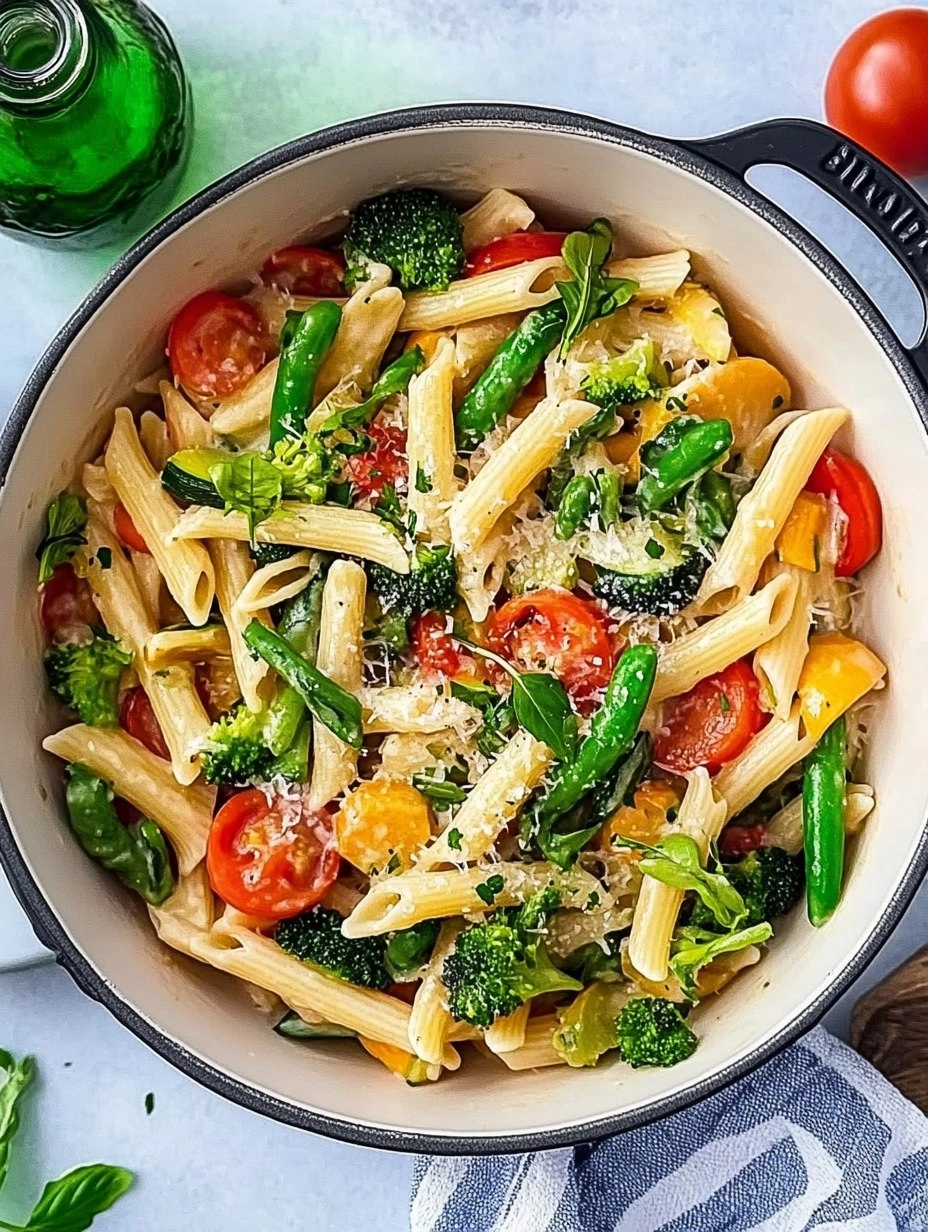
Ingredients You’ll Need
- 16 oz penne pasta: This pasta shape holds the sauce well, allowing each bite to be flavorful. You can substitute with gluten-free pasta if necessary.
- 1 tablespoon olive oil: Used for sautéing, it adds nice flavor. You could also use avocado oil if you prefer.
- 8 oz asparagus, cut into 1 ½-inch pieces: Crisp-tender asparagus brings a beautiful green color and great crunch. If out of season, green beans can work as a substitute.
- 1 yellow bell pepper, cut into 1 ½-inch pieces: Sweet and colorful, it creates contrast in flavor and looks. Any bell pepper color works!
- 2 cups small broccoli florets: Broccoli provides a nutritious touch and vibrant color. Cauliflower florets also work wonderfully.
- 1 small zucchini, chopped: Zucchini is mild and absorbs flavors well. You can replace it with yellow squash if you like.
- Salt and black pepper to taste: Essential for seasoning. Freshly cracked pepper enhances the dish more than pre-ground.
- 2 tablespoons unsalted butter: Adds richness to the sauce. If needed, use vegan butter for a dairy-free version.
- 1 shallot, minced: Milder than onion, shallots contribute a sweet depth to the flavor. White or red onions can be used in a pinch.
- 4 garlic cloves, minced: Garlic infuses the dish with a lovely aromatic quality. Fresh is best!
- Zest of 1 lemon: Brightens up the flavors with a fresh citrus note.
- Dash crushed red pepper flakes: A pinch adds a gentle heat, which you can adjust based on your preference.
- 1 cup vegetable broth: The base for your sauce, it adds depth of flavor. Chicken broth works well too.
- ½ cup heavy cream: For a creamy texture that binds everything together. Use coconut cream for a dairy-free option.
- 3 tablespoons lemon juice, divided: Adds acidity and brightness; fresh lemon juice is highly recommended.
- 1 cup frozen peas: They cook quickly and add a pop of sweetness; no need to thaw before using.
- ½ cup shredded parmesan cheese: For a salty, cheesy finish. Nutritional yeast can serve as a vegan substitute.
- 1 ½ cups halved grape tomatoes: Juicy tomatoes add freshness and color. Cherry tomatoes are an excellent alternative.
- ¼ cup chopped basil: Fresh basil gives a fragrant finish. If unavailable, flat-leaf parsley can be used.
- 2 tablespoons Italian parsley, for garnish: This adds a nice touch of color and flavor.
- Extra parmesan cheese, for garnish: Always a welcome addition for cheese lovers!
- Crushed red pepper flakes, for garnish: For those who enjoy a touch of heat.
How to Make Spring Pasta Primavera | Fresh Vegetable Pasta with Light Sauce
Boil the pasta: Start by bringing a large pot of salted water to a boil. Once it’s bubbling, add the 16 oz penne pasta and cook for about 11 minutes, stirring occasionally to prevent sticking. You want the pasta al dente, so check for doneness, then drain well. Pour it back into the pot to keep it warm.
Sauté the vegetables: While the pasta cooks, grab a large skillet and heat 1 tablespoon olive oil over medium-high heat. Toss in the 8 oz asparagus, 1 yellow bell pepper, and 2 cups small broccoli florets. Sauté them for 2 to 3 minutes, stirring occasionally, until they start to soften but still have a bit of crunch. Now add the 1 small zucchini and cook for another 1 to 2 minutes. Season these lovely veggies with salt and black pepper to taste, then transfer them to a large plate or bowl.
Make the sauce: Place the same skillet back over medium heat and melt 2 tablespoons unsalted butter. Add the 1 shallot, minced and 4 garlic cloves, minced. Sauté for about 2 minutes until fragrant. Stir in the zest of 1 lemon and 1 cup vegetable broth, allowing it to simmer until the broth reduces by half—about 4 to 5 minutes. Next, stir in ½ cup heavy cream and 2 tablespoons lemon juice.
Combine the pasta and veggies: Stir the 1 cup frozen peas into the pot containing the drained pasta, and gently fold in the sautéed vegetables. Then pour the luscious lemon cream sauce over the mixture. Stir everything together until well combined, followed by ½ cup shredded parmesan cheese and the remaining 1 tablespoon lemon juice for an extra burst of citrus. Gently fold in the 1 ½ cups halved grape tomatoes and ¼ cup chopped basil. Give it another taste and adjust seasoning with salt and black pepper if needed.
Serve: Finally, pour the pasta primavera into a large serving bowl or dish. Garnish generously with 2 tablespoons Italian parsley, extra parmesan cheese, and a sprinkle of crushed red pepper flakes for those who relish a bit of extra kick. Serve warm and enjoy the vibrant symphony of flavors!
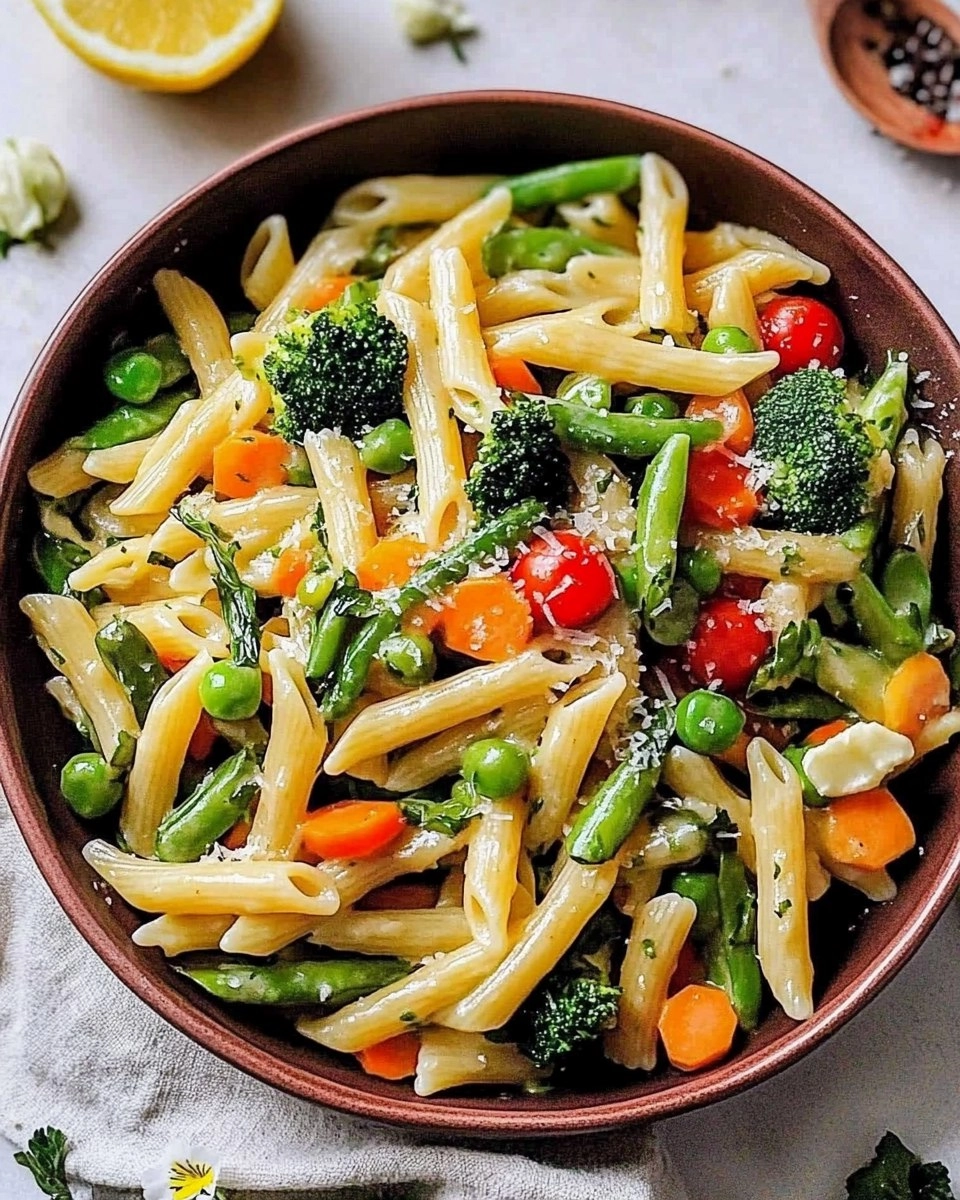
Storing & Reheating
Leftovers can be stored at room temperature for about two hours, but it’s best to refrigerate them for longer freshness. Keep them in an airtight container in the fridge for up to 3 days. For longer storage, you can freeze this Pasta Primavera for up to three months. To reheat, simply thaw in the refrigerator overnight and warm it gently in the microwave or on the stovetop until warmed through. The cream sauce may thicken slightly upon reheating; add a splash of vegetable broth to bring back the creamy texture if needed.
Chef’s Helpful Tips
- Avoid overcooking the pasta; al dente is the way to go for texture that holds up.
- When sautéing, keep the vegetables moving for even cooking, and don’t crowd the pan for best results.
- Using fresh herbs enhances flavor, but dried herbs like oregano or thyme can work in a pinch.
- If you’re making it ahead, consider adding tomatoes just before serving for freshness.
- Feel free to swap veggies based on seasonal availability—the beauty of this dish is its flexibility!
Spring Pasta Primavera is not just a dish; it’s a celebration of seasonal produce that brightens any table. With its lively colors and delightful flavors, it invites you to indulge while enjoying the wholesome goodness of vegetables. Think of it as your canvas—add your favorite produce and make it your own. Whether you’re sharing it with family or enjoying a solo dinner, this recipe is a reminder of how wonderful spring can be. So gather your ingredients, roll up your sleeves, and treat yourself to this delightful pasta experience!
Recipe FAQs
Can I make this recipe vegan?
Absolutely! To make a vegan version of this dish, simply replace the heavy cream with coconut cream or a plant-based alternative, and use nutritional yeast instead of parmesan cheese.
How can I add more protein?
For a protein boost, consider adding grilled chicken or shrimp. If you’re looking for vegetarian options, chickpeas or white beans can also work beautifully in this dish.
Can I use other vegetables?
Yes, this recipe is incredibly versatile! Feel free to include any seasonal vegetables you have on hand such as bell peppers, carrots, or spinach. Just keep in mind cooking times for the different veggies so they stay crisp.
What if I don’t have penne pasta?
You can substitute penne with any pasta shape you prefer or have available, such as fusilli, farfalle, or even spaghetti. The key is to cook the pasta according to the package instructions for perfect texture.
PrintMore Main Dishes Recipes
- Zucchini Fritters
- Lemon Zucchini Pasta
- Filet Mignon with Dijon Sauce
- Swedish Meatballs
- White Cheddar Ranch Chicken Pasta
Did You Enjoy Making This Recipe? Please rate this recipe with ⭐⭐⭐⭐⭐ or leave a comment.
📖 Recipe Card
Spring Pasta Primavera | Fresh Vegetable Pasta with Light Sauce
- Prep Time: 20 minutes
- Cook Time: 35 minutes
- Total Time: 55 minutes
- Yield: 8 servings 1x
- Category: Main Dishes
- Method: Stovetop
- Cuisine: Italian
Description
This Spring Pasta Primavera is a vibrant dish bursting with garden-fresh vegetables and a light, creamy sauce. Perfect for a quick dinner or a delightful meal, it’s a must-try for those seeking homemade flavor with minimal effort.
Ingredients
- 16 oz penne pasta
- 1 tablespoon olive oil
- 8 oz asparagus, cut into 1 ½-inch pieces
- 1 yellow bell pepper, cut into 1 ½-inch pieces
- 2 cups small broccoli florets
- 1 small zucchini, chopped
- salt and black pepper to taste
- 2 tablespoons unsalted butter
- 1 shallot, minced
- 4 garlic cloves, minced
- zest of 1 lemon
- dash crushed red pepper flakes
- 1 cup vegetable broth
- ½ cup heavy cream
- 3 tablespoon lemon juice, divided
- 1 cup frozen peas
- ½ cup shredded parmesan cheese
- 1 ½ cups halved grape tomatoes
- ¼ cup chopped basil
- 2 tablespoons italian parsley, for garnish
- extra parmesan cheese, for garnish
- crushed red pepper flakes, for garnish
Instructions
- Bring a large pot of salted water to a boil and cook the penne pasta for 11 minutes, stirring occasionally. Drain and return to the pot.
- In a large skillet, heat the olive oil. Add asparagus, yellow pepper, and broccoli, sautéing for 2-3 minutes. Add zucchini and continue cooking for another 1-2 minutes until tender yet crisp. Season with salt and pepper.
- In the same skillet, melt the butter over medium heat. Add shallots and garlic, cooking for 2 minutes. Stir in lemon zest and vegetable broth, reducing until half, about 4-5 minutes. Mix in heavy cream and 2 tablespoons of lemon juice.
- Stir peas into the pasta pot followed by cooked vegetables. Pour the lemon cream sauce over and mix well. Add Parmesan cheese and remaining lemon juice, followed by tomatoes and basil. Season to taste.
- Transfer the Pasta Primavera to a serving bowl. Garnish with parsley and Parmesan cheese, along with crushed red pepper flakes before serving.
Notes
For added protein, consider tossing in grilled chicken or shrimp.
Feel free to swap in any seasonal vegetables you have on hand.
Make this dish ahead of time and reheat gently on the stovetop.
Nutrition
- Serving Size: 1 serving
- Calories: 370
- Sugar: 4g
- Sodium: 450mg
- Fat: 15g
- Saturated Fat: 8g
- Unsaturated Fat: 7g
- Trans Fat: 0g
- Carbohydrates: 50g
- Fiber: 5g
- Protein: 12g
- Cholesterol: 35mg