Pad Thai

Easy Pad Thai Recipe
Table of Contents
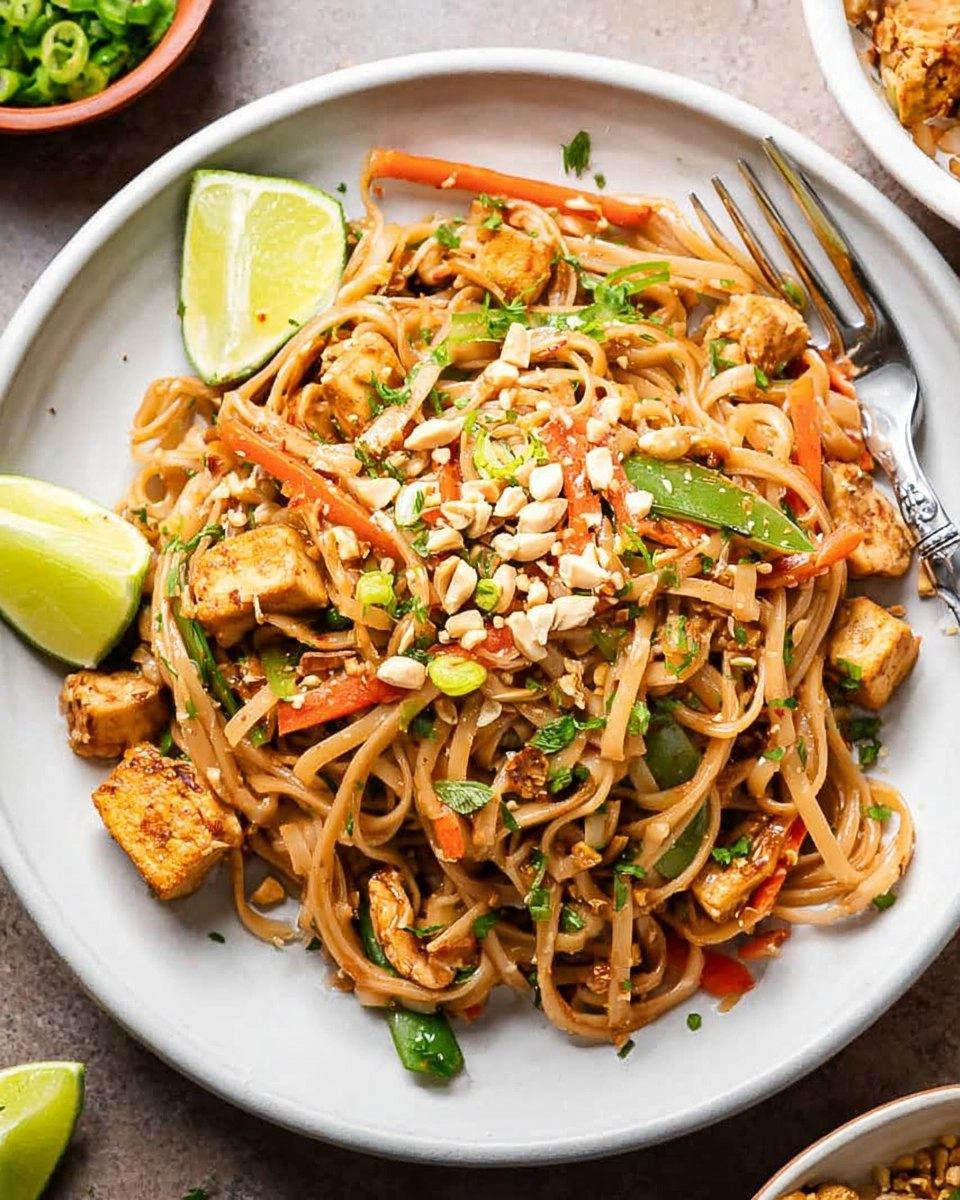
When you think of comfort food, Pad Thai might just hit the top of the list. This classic Asian dish, with its delightful medley of flavors, offers a perfect balance of savory, sweet, and a touch of tanginess. With soft noodles, fresh vegetables, and a rich sauce, it’s hard not to get excited about this cozy dinner option. Plus, the vibrant colors and fresh ingredients make it just as pleasant to the eyes as it is to the palate. Whether you’re trying out a new dish for a special occasion or simply looking to satisfy a craving, this pad thai recipe has got you covered.
My first encounter with Pad Thai happened during a memorable trip to a local Thai restaurant. The moment that deliciously fragrant bowl arrived at my table, I knew I was in for a treat. The combination of the silky noodles, hearty tofu, and a burst of fresh crunch from the vegetables captivated me. Since then, I’ve made countless versions at home, but this easy pad thai recipe has emerged as a favorite due to its hassle-free preparation and authentic flavors. Get ready to whisk together a delightful combination of ingredients that will transport you straight to the heart of Thailand!
Why You’ll Love This Recipe
- Simple & Quick: Whip this up in under 30 minutes for a weeknight dinner.
- Irresistible Flavor: Sweet and savory with a satisfying crunch from fresh veggies.
- Eye-Catching Appeal: A vibrant, colorful dish that looks as good as it tastes.
- Flexible Serving: Perfect for a cozy dinner, meal prep, or sharing with friends at a gathering.
- Diet-Friendly Options: Easily vegan or gluten-free with simple ingredient swaps.
Ingredients You’ll Need
- 2 tablespoons soy sauce: This adds a deep umami flavor and brings all the ingredients together. For gluten-free options, try tamari or coconut aminos.
- 3 tablespoons water (or fish sauce): Water keeps the sauce smooth. If you’re looking for a fishy kick, fish sauce is a classic choice.
- 5 tablespoons light brown sugar: Adds a touch of sweetness that balances the savory notes.
- 2 tablespoons tamarind paste (or lime juice): Tamarind introduces a tartness that’s signature to pad thai; lime juice can work if you’re in a pinch.
- 1 tablespoon lime juice: Fresh lime juice brightens up the dish.
- 1 tablespoon chili sauce: For a hint of heat and flavor; adjust to your spice preference.
- 3 tablespoons peanut butter: Creaminess and a touch of nutty flavor enhance the sauce beautifully; you can substitute almond butter if needed.
- 8 ounces udon noodles (or pad thai noodles): Udon provides a chewy texture, but traditional pad thai noodles are also great.
- 14 ounces extra firm tofu (cut into ½” cubes): High in protein, tofu absorbs flavors well and adds heartiness to the dish.
- 4 tablespoons peanut oil (divided): This oil has a high smoke point and imparts a delicious flavor; can be swapped with sesame oil for an interesting twist.
- ½ teaspoon garlic powder: For an extra layer of flavor.
- ¼ teaspoon fine sea salt: Enhances the overall taste.
- ¼ teaspoon ground ginger: Adds warmth and depth.
- 1 tablespoon minced garlic: Freshly minced garlic elevates the aroma and flavor profile.
- 1 cup carrots (julienned): Crunchy and slightly sweet, carrots add texture and color.
- ¼ cup green onions (finely sliced): Adds freshness and color, perfect for garnishing!
- 2 eggs: Adds richness and protein; you can skip them for a vegan version.
- 1 ½ cups bean sprouts (4.5 ounces): Provides a lovely crunch and freshness.
- ¼ cup peanuts (crushed): For topping, these add a delightful crunch.
- ¼ cup cilantro (chopped): Fresh herbs provide brightness and pop.
How to Make Pad Thai Recipe
- Prepare the Noodles: Bring a large pot of water to a boil, then add 8 ounces of udon noodles (or pad thai noodles) and cook according to package directions. Drain them but don’t rinse; this keeps the starch that helps the sauce stick.
- Whisk the Sauce: In a small bowl, combine 2 tablespoons of soy sauce, 3 tablespoons of water (or fish sauce), 5 tablespoons of light brown sugar, 2 tablespoons of tamarind paste (or lime juice), 1 tablespoon of lime juice, 1 tablespoon of chili sauce, and 3 tablespoons of peanut butter. If it’s too thick to mix well, gently warm the ingredients until smooth. Set aside.
- Cook the Tofu: Heat 2 tablespoons of peanut oil in a wok or large frying pan over high heat. Add the 14 ounces of extra firm tofu and cook, stirring often, until just starting to brown.
- Season the Tofu: Evenly sprinkle ½ teaspoon garlic powder, ¼ teaspoon fine sea salt, and ¼ teaspoon ground ginger over the tofu, stirring to distribute the seasonings evenly. Continue cooking until the tofu is lightly golden brown.
- Add the Veggies: Add 1 cup of julienned carrots and ¼ cup of finely sliced green onions along with 1 tablespoon of peanut oil. Stir and cook over medium-high heat until the carrots become soft and everything is fragrant. Stir frequently.
- Scramble the Eggs: Once the carrots are tender, turn the heat down to low. Move the ingredients to the side and pour 1 tablespoon of peanut oil into the empty space. Add 2 beaten eggs and cook, scrambling them over low heat until fully cooked.
- Combine the Ingredients: Add the cooked noodles, 1 ½ cups of bean sprouts, crushed peanuts, chopped cilantro, and prepared sauce to the pan. Stir well to combine everything.
- Finish Cooking: Increase heat to medium-high and cook for about 5 minutes, stirring often, until the sauce evenly coats the Pad Thai and begins to stick slightly.
Storing & Reheating
For leftovers, store the Pad Thai in an airtight container at room temperature for up to four hours. If refrigerating, it will last about four days in the fridge—just pop it into a container that seals well. For longer storage, freeze it for up to three months; make sure to use freezer-safe containers. When reheating, simply microwave it on high for about 2-3 minutes, adding a splash of water if it seems dry. The texture may vary slightly after freezing, but a squeeze of fresh lime before serving can brighten it right up!
Chef’s Helpful Tips
- Be careful not to overcook the tofu; it should be golden brown but still soft on the inside.
- Ensure eggs are beaten before hitting the pan for even cooking.
- Use fresh veggies for the best texture; skip frozen if you can.
- Don’t skip the garnishes! Extra crushed peanuts and fresh cilantro elevate the dish.
- If it feels too dry, add more sauce or a splash of water while cooking.
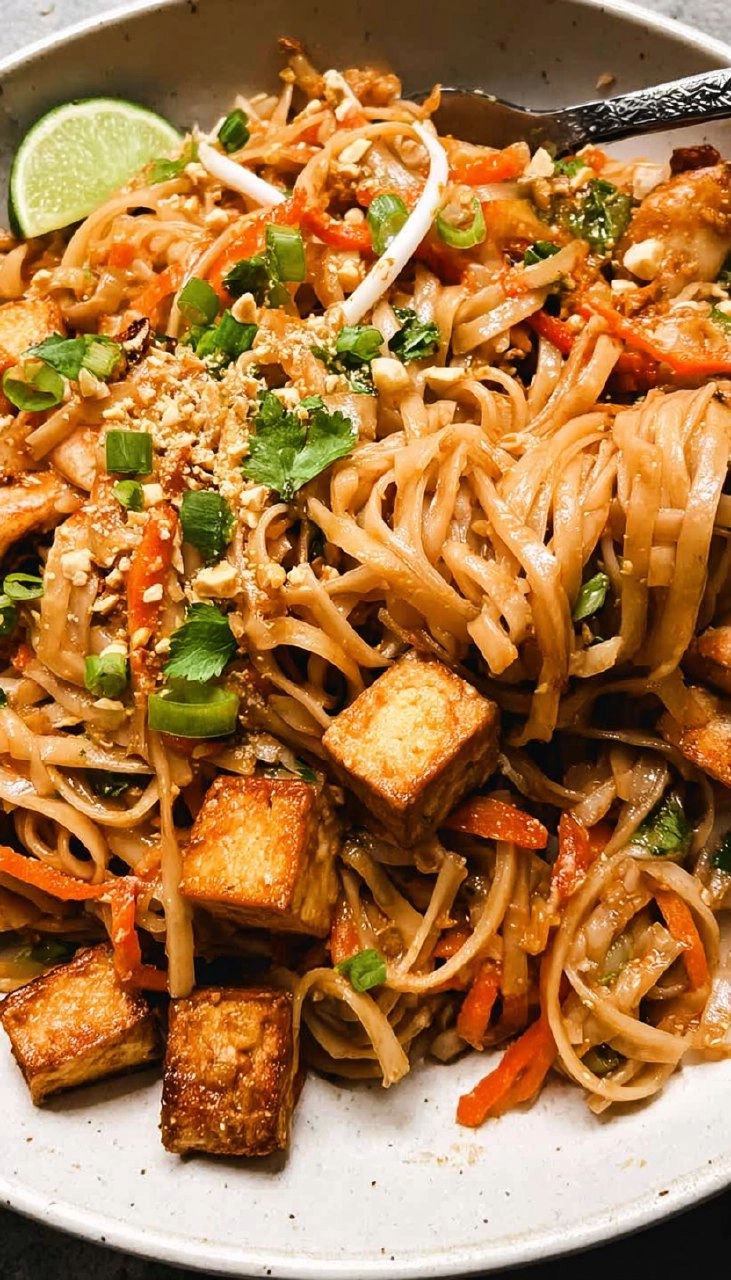
Pad Thai is such a versatile dish that’s never the same twice! Feel free to experiment with different proteins like shrimp or chicken and swap out veggies based on your preferences. There’s something pretty special about creating a meal that promises to be a party for your taste buds, no matter the occasion.
Recipe FAQs
Can I make Pad Thai without tofu?
Absolutely! While I love using tofu for its protein and texture, you can easily swap it for chicken, shrimp, or simply increase the veggie content. Just make sure whatever protein you choose is cooked thoroughly before adding to the dish.
Is Pad Thai gluten-free?
You can make gluten-free Pad Thai by substituting regular soy sauce with tamari or coconut aminos. Also, opt for gluten-free noodles like rice noodles if you want to keep it authentic while avoiding gluten.
How spicy is Pad Thai?
The spiciness of Pad Thai can vary based on how much chili sauce you use. If you prefer a milder flavor, start with less and add more to taste. Alternatively, taste the dish as you go and adjust accordingly!
Can I prep Pad Thai ahead of time?
You can cook the noodles and prep the sauce in advance, making it super easy to whip everything together when you’re ready. Just keep everything in separate containers in the fridge for up to a day before you plan to cook. However, it’s best to add bean sprouts and scrambled eggs just before serving to maintain their freshness!
PrintMore Main Dishes Recipes
Did You Enjoy Making This Recipe? Please rate this recipe with ⭐⭐⭐⭐⭐ or leave a comment.
📖 Recipe Card
Pad Thai
- Prep Time: 20 minutes
- Cook Time: 20 minutes
- Total Time: 40 minutes
- Yield: 8 servings 1x
- Category: Main Dishes
- Method: Stir-fry
- Cuisine: Thai
Description
This Pad Thai combines vibrant flavors with simple preparation. Featuring key ingredients like udon noodles, tofu, and peanuts, it’s a quick and satisfying meal that everyone will love!
Ingredients
- 2 tablespoons soy sauce
- 3 tablespoons water
- 5 tablespoons light brown sugar
- 2 tablespoons tamarind paste
- 1 tablespoon lime juice
- 1 tablespoon chili sauce
- 3 tablespoons peanut butter
- 8 ounces udon noodles
- 14 ounces extra firm tofu
- 4 tablespoons peanut oil
- ½ teaspoon garlic powder
- ¼ teaspoon fine sea salt
- ¼ teaspoon ground ginger
- 1 tablespoon minced garlic
- 1 cup carrots
- ¼ cup green onions
- 2 eggs
- 1 ½ cups bean sprouts
- ¼ cup peanuts
- ¼ cup cilantro
Instructions
- Bring a large pot of water to a boil and cook the noodles according to the package directions. Drain the noodles and set aside.
- In a bowl, mix soy sauce, water, light brown sugar, tamarind paste, lime juice, and chili sauce to create the sauce.
- Heat 2 tablespoons of peanut oil in a large skillet or wok over medium-high heat. Add garlic and cook until fragrant.
- Add tofu cubes and cook until golden brown, then push them aside in the skillet.
- Add the remaining peanut oil and carrots, cooking until the carrots are tender.
- Stir in the cooked noodles, the sauce, garlic powder, sea salt, and ground ginger. Toss everything to coat the noodles thoroughly.
- Add green onions, eggs, and bean sprouts, stirring quickly to cook the eggs and combine the ingredients.
- Top with crushed peanuts and cilantro before serving.
Notes
For a vegetarian option, ensure all sauces used are plant-based.
Adjust the spiciness by varying the amount of chili sauce used.
Nutrition
- Serving Size: 1 serving
- Calories: 350
- Sugar: 10g
- Sodium: 500mg
- Fat: 15g
- Saturated Fat: 3g
- Unsaturated Fat: 10g
- Trans Fat: 0g
- Carbohydrates: 40g
- Fiber: 4g
- Protein: 15g
- Cholesterol: 80mg