Cold Asian Noodle Salad

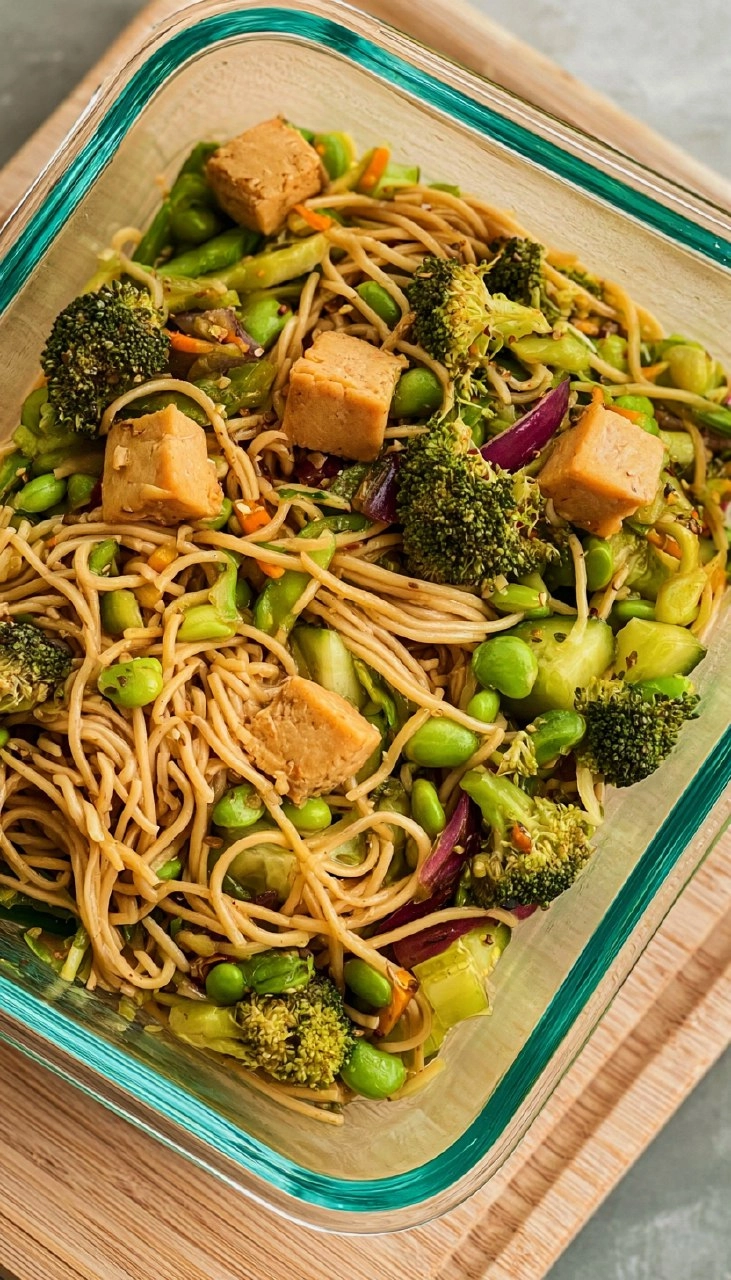
Cold Asian Noodle Salad is an everyday masterpiece that brings together vibrant vegetables, hearty tofu, and those delightful noodles, all tied together with a perfectly balanced dressing. This dish is not just about nutrition; it’s a satisfying blend of textures and flavors that dance on the palate. Picture tender lo mein or spaghetti, mouthwatering marinated tofu, and bright broccoli that create a celebration of color and taste with every bite. Best of all, this recipe is a breeze to prepare, making it ideal for busy weeknights or casual gatherings.
Table of Contents
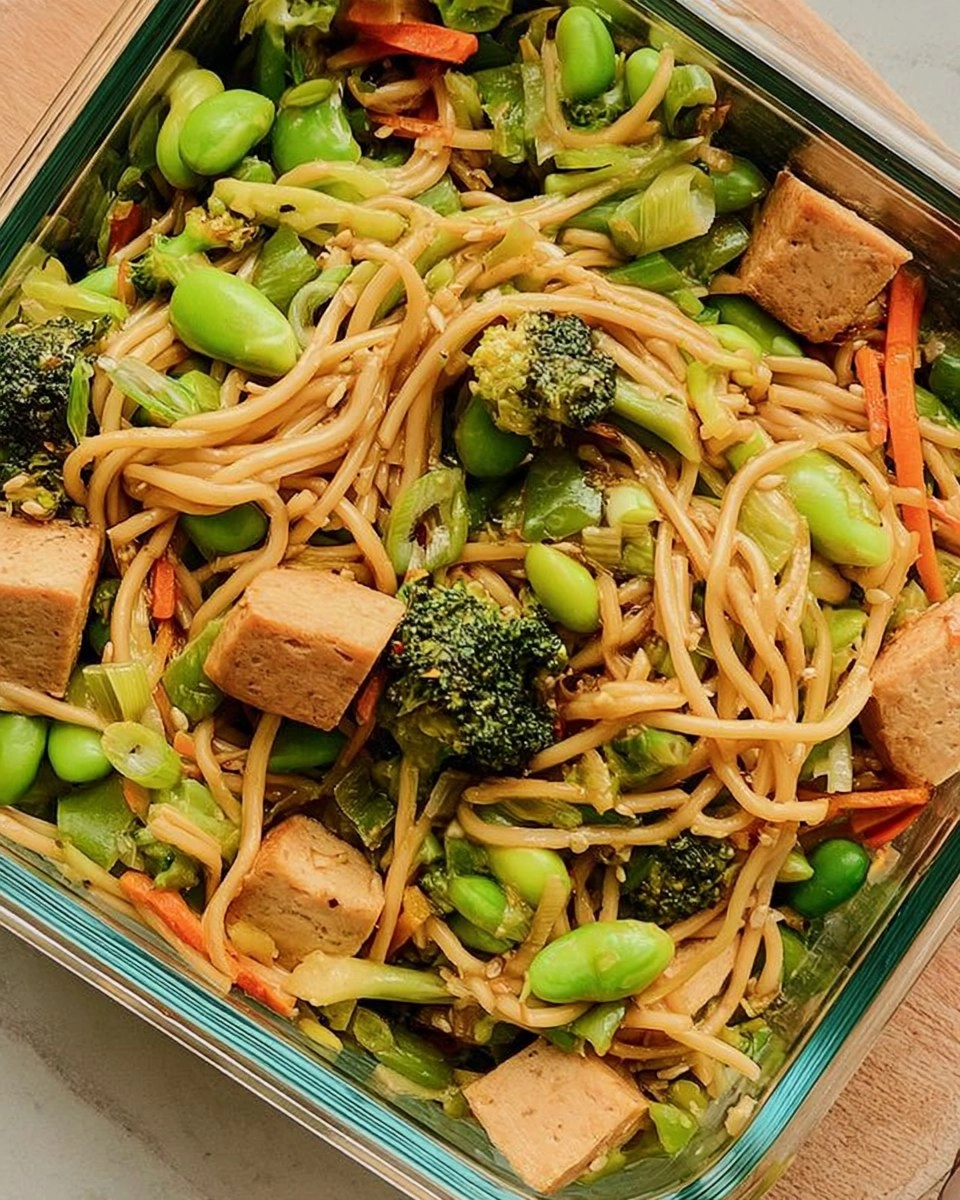
I discovered this Cold Asian Noodle Salad one sun-soaked summer afternoon while exploring different culinary styles. I craved a refreshing meal that didn’t skimp on flavor and was easy to whip up, and this dish was just the answer. It’s quickly become a staple in my kitchen, loved by friends and family alike. The beauty of this cold noodle salad is that it can serve beautifully as a light lunch, a picnic dish, or even as a side at a gathering. I can’t wait to share this recipe with you—trust me, it’s a game-changer for anyone looking for a tasty, no-fuss meal!
Why You’ll Love This Recipe
- Simple & Quick: Made in about 30 minutes, this dish comes together easily, perfect for busy evenings.
- Irresistible Flavor: The combination of marinated tofu, fresh veggies, and a zingy sauce creates a flavor explosion.
- Eye-Catching Appeal: Vibrantly colored veggies and noodles make for a stunning presentation that impresses at any gathering.
- Flexible Serving: Enjoy it cold as a snack, or serve it up as a hearty main dish during meal prep.
- Diet-Friendly Options: Easily adaptable for gluten-free, dairy-free, or vegan diets, making it inclusive for all.
Ingredients You’ll Need
- 8 ounces extra-firm tofu, pressed and cubed: This provides a hearty protein base that withstands flavors well. For a lighter option, consider using tempeh or chickpeas.
- 4 tablespoons soy sauce (or sub coconut aminos, or lite tamari): As the flavor cornerstone, soy sauce infuses savory notes to the dish. Opt for low-sodium varieties if preferred.
- 1 teaspoon sesame oil: It adds a nutty richness; toasted sesame oil will give an even bolder flavor.
- 2 teaspoons garlic-ginger paste (or 1 tsp minced ginger + 1 tsp minced garlic): This is the aromatic flavor base that enhances the overall dish.
- 5 tablespoons soy sauce (or sub coconut aminos, or lite tamari): More flavor-packed richness for the stir-fry sauce; use the same substitutes to keep it consistent.
- 3 tablespoons dry white wine (such as sauvignon blanc or pinot grigio, or sub chicken broth): It adds acidity, enhancing depth. Vegetable broth can be a substitute for a non-alcoholic option.
- 3 tablespoons oyster sauce: This sweet and salty sauce elevates the dish. For vegans, use mushroom or vegan oyster sauce.
- 1 tablespoon sesame oil sauce: Reinforces the nutty flavor; also, it’s helpful to use it to sauce the salad.
- 1 tablespoon garlic-ginger paste (or 1½ tsp minced ginger + 1½ tsp minced garlic): Another layer of those beloved aromatic flavors.
- 1½ tablespoons cornstarch: Essential for thickening your stir-fry sauce.
- 8 ounces lo mein noodles (or spaghetti), plus a small amount of sesame oil for tossing: These deliver structural comfort. Spaghetti or rice noodles are great alternatives.
- 4 cups broccoli, cut into small bite-sized florets: Fresh and bright, broccoli adds a delightful crunch. Feel free to use a mix of veggies based on what you have on hand.
- 1 cup shelled edamame, thawed if frozen: This plant-based protein brings a fun pop of color and texture.
- 2 tablespoons neutral oil, divided: Such as canola or grapeseed oil, good for frying due to its high smoke point.
- 3 garlic cloves, minced: More garlicky goodness enhances every layer.
- ½ cup sliced green onions, white and green parts separated, green parts sliced into 1-inch pieces: They add freshness; reserve the green tops for garnish.
- 1 tablespoon sesame seeds for garnish: This final touch not only looks great but also adds a nutty crunch.
How to Make Cold Asian Noodle Salad
Marinate the Tofu: Begin by whisking together 4 tablespoons soy sauce, 1 teaspoon sesame oil, and 2 teaspoons garlic-ginger paste in a large bowl. Add your cubed tofu, ensuring each piece is coated, and let it soak up those flavors by setting aside for about 15 minutes.
Make the Stir Fry Sauce: In a medium bowl, combine 5 tablespoons soy sauce, 3 tablespoons dry white wine, 3 tablespoons oyster sauce, 1 tablespoon sesame oil, 1 tablespoon garlic-ginger paste, and 1½ tablespoons cornstarch. Whisk until the cornstarch dissolves, creating your sauce, and set aside.
Cook the Noodles: Bring a large pot of water to a boil. Cook 8 ounces of lo mein noodles according to package instructions until just al dente, about 3-5 minutes. Drain and rinse under cold running water until fully cool, tossing with a drizzle of sesame oil to keep them from sticking.
Steam the Broccoli: Heat a skillet over medium heat and add in 4 cups of broccoli florets with ½ cup water. Cover and cook for 2 to 3 minutes, until vibrant and tender-crisp. Transfer to a bowl using a slotted spoon and discard the remaining water.
Cook the Tofu: Place the skillet back on medium heat. Add 1 tablespoon of neutral oil until shimmering. Carefully place the marinated tofu into the pan along with 2 tablespoons of the marinade, cooking it for 3 to 4 minutes while stirring frequently until golden.
Add Garlic and Green Onions: Now, add the remaining 1 tablespoon of neutral oil, minced garlic, and the white parts of the green onions. Cook for another 1-2 minutes, stirring often until everything smells fantastic.
Finish the Stir Fry: Lower the heat to medium. Pour in the stir fry sauce, followed by the cooked noodles, steamed broccoli, and 1 cup of shelled edamame. Toss everything together, allowing it to cook for another 30-60 seconds until everything is well coated and the sauce thickens just slightly.
Chill: Transfer your delicious concoction into a wide bowl or spread it onto a sheet pan to cool quickly. Once it reaches room temperature, cover it and refrigerate for at least 1 hour, or until fully chilled.
Serve: Before serving, toss the noodles again. If they have dried out, a small splash of soy sauce or sesame oil will do the trick to bring them back to life. Scoop into bowls and finish with 1 tablespoon of sesame seeds and additional sliced green onions for that special touch.
Storing & Reheating
To store your Cold Asian Noodle Salad, keep it in an airtight container in the refrigerator for up to 4-5 days. If you need to keep it longer, consider freezing individual portions for up to 3 months. When you’re ready to enjoy, simply thaw in the fridge overnight. Although the flavors meld beautifully, keep in mind that the texture may change slightly after freezing, so refreshing it with a drizzle of sesame oil or soy sauce before serving can help.
Chef’s Helpful Tips
- Avoid soggy noodles: After boiling, always rinse your noodles in cold water to stop the cooking process and prevent clumping.
- Temperature matters: Make sure your tofu is well-pressed to eliminate excess moisture, ensuring it can absorb the marinade effectively.
- Experiment with vegetables: Feel free to swap in your favorite veggies to match the season or what you have on hand—red peppers and snap peas work wonderfully too!
- Make ahead: This salad can be made a day in advance for optimal flavor—just give it a stir before serving.
- Boost the flavors: Drizzle more sesame oil or soy sauce over the dish before serving for an additional flavor kick.
Cold Asian Noodle Salad is not just a dish, it’s an experience that combines simplicity with flavor. The beauty of it lies in the effortless assembly, allowing you to explore and personalize it as you wish. I encourage you to play with the ingredients, perhaps by adding a protein of your choice or adjusting the dressing to your taste. This recipe is as versatile as it is delightful, perfect for a cozy dinner at home or serving at a gathering.
Recipe FAQs
Can I use a different type of noodle?
Absolutely! While lo mein noodles are traditional, feel free to substitute with spaghetti, rice noodles, or even zucchini noodles for a lighter twist. Each type will give a different texture but will complement the other ingredients well.
How long can I store the Cold Asian Noodle Salad?
Stored properly in an airtight container, the salad can last in the refrigerator for about 4-5 days. If you want to keep it longer, consider freezing portions, knowing the texture might slightly change upon thawing.
Is this recipe gluten-free?
To make the Cold Asian Noodle Salad gluten-free, simply use gluten-free noodles like rice noodles or quinoa noodles, and select tamari or coconut aminos instead of regular soy sauce. Enjoy the freshness without worrying about gluten!
Can I add other proteins to this dish?
Of course! While tofu is a great vegetarian option, feel free to add grilled chicken, shrimp, or beef for extra protein. Just cook them separately and toss them in during the final mixing step for a satisfying protein-packed salad.
PrintMore Main Dishes Recipes
Did You Enjoy Making This Recipe? Please rate this recipe with ⭐⭐⭐⭐⭐ or leave a comment.
📖 Recipe Card
Cold Asian Noodle Salad
- Prep Time: 10 minutes
- Cook Time: 15 minutes
- Total Time: 25 minutes
- Yield: 4 servings 1x
- Category: Main Dishes
- Method: Stir Fry
- Cuisine: Asian
Description
This Cold Asian Noodle Salad combines tofu, fresh vegetables, and flavorful sauces for a bright and satisfying dish. It’s perfect for a quick lunch or light dinner!
Ingredients
- 8 ounces extra firm tofu pressed and cubed
- 4 tablespoons soy sauce or coconut aminos or lite tamari
- 1 teaspoon sesame oil
- 2 teaspoons garlic-ginger paste or 1 tsp minced ginger + 1 tsp minced garlic
- 5 tablespoons soy sauce or coconut aminos or lite tamari
- 3 tablespoons dry white wine or chicken broth
- 3 tablespoons oyster sauce
- 1 tablespoon sesame oil
- 1 tablespoon garlic-ginger paste or 1½ tsp minced ginger + 1½ tsp minced garlic
- 1½ tablespoons cornstarch
- 8 ounces lo mein noodles or spaghetti
- small amount of sesame oil for tossing
- 4 cups broccoli cut into small bite-sized florets
- 1 cup shelled edamame thawed if frozen
- 2 tablespoons neutral oil divided
- 3 garlic cloves minced
- ½ cup sliced green onions white and green parts separated
- 1 tablespoon sesame seeds for garnish
Instructions
- Prepare the tofu by whisking together the soy sauce, sesame oil, and garlic-ginger paste in a bowl. Add cubed tofu, coat well, and let it marinate while prepping the other ingredients.
- In a separate bowl, whisk together soy sauce, dry white wine, oyster sauce, sesame oil, garlic-ginger paste, and cornstarch until the mixture is smooth and pourable. Set aside.
- Boil a large pot of water and cook the lo mein noodles until just al dente according to package instructions. Drain and rinse the noodles under cold water, then toss with sesame oil.
- Heat a skillet on medium. Add broccoli florets and ½ cup water, then cover. Cook for 2 to 3 minutes until bright green and tender. Use a slotted spoon to transfer broccoli to a bowl, discarding the water.
- Add 1 tablespoon of neutral oil to the skillet and heat. Stir-fry the marinated tofu for 3 to 4 minutes until cooked through. Add the remaining marinade during cooking.
- Add the remaining neutral oil, minced garlic, and both white and green parts of the onion to the skillet. Cook for 1 to 2 minutes until fragrant.
- Reduce the heat and add the stir fry sauce, noodles, broccoli, and shelled edamame. Toss everything together and cook for about 30 to 60 seconds until combined and heated through.
- Spread the mixture in a wide bowl or on a sheet pan to cool quickly, then cover and refrigerate for at least 1 hour until fully chilled.
- Toss the noodles before serving. If needed, add a splash of soy sauce or sesame oil. Serve in bowls garnished with sesame seeds and extra green onions.
Notes
Tofu can be substituted with chicken or shrimp for a different protein option.
For a vegan version, ensure oyster sauce is labeled vegan or use another alternative.
Adjust the level of spiciness by adding red pepper flakes if desired.
Nutrition
- Serving Size: 1 serving
- Calories: 350
- Sugar: 3g
- Sodium: 860mg
- Fat: 15g
- Saturated Fat: 2g
- Unsaturated Fat: 10g
- Trans Fat: 0g
- Carbohydrates: 38g
- Fiber: 6g
- Protein: 20g
- Cholesterol: 0mg